A


Wednesday, January 8, 2014

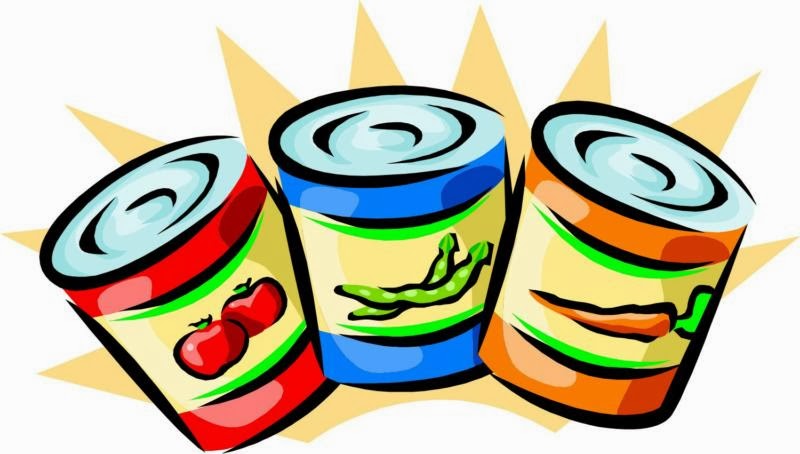
HAZARDS OF CANNED & FROZEN FOOD IN CHILDREN


Q1 .Can children be fed with frozen and canned foods? At what age is it okay for them to eat such items?
Answer:
Yes children can be given frozen or canned foods at times but not on a regular basis, provided you take a special precaution while handling those food like rinse all cans before opening them to avoid the food contamination because it has dust on outside when you purchase it from the supermarket and using of clean and sterile cutter or knife to open the lid of the container. It is important to check the expiry dates before you use them and make sure that the canned foods are used immediately after opening and avoid reusing the leftovers. Since it’s convenient, portable, and ready to eat it becomes a food of choice especially for working mother and while travelling.
 It can be given after the age of 7-8 years provided the nutritional labeling meets the child nutritional demand. While eating a frozen meal serve it with a salad or a side of fruits or vegetables so as to overcome the nutritional and vitamin deficiency associated with frozen meals.
Q2 .How healthy is it for children to consume frozen or canned food?
Answer:
With above mentioned precautions we can still feed our child with these kinds of foods. There are studies which say that even a frozen food is as nutritious as the fresh ones but then it depends upon the way in which these foods are processed and preserved along with some additional nutritional benefits. Sad to say, almost any meal that’s easy and convenient is probably highly processed.  Even though the processed, packaged foods have almost completely taken over the diet of most of the children and teenagers of today’s  world but still these foods are not as nutritious as fresh meal we prepare. They lack many essential nutrients, vitamins and minerals which are lost during the process. So it’s always a choice to encourage them to eat a healthier and freshly prepared food rather than a canned or frozen food.
Q3. If a majority of their diet consists of canned and frozen foods, what are the possible health risks?
Answer:
These type of food items are called Processed foods i.e (soft drinks, cheese crackers, cookies, chips, cakes, candies, instant meals, etc.) which  are  canned, frozen, dehydrated or hydrogenated for safety, a longer shelf life and convenience.
Some of the important hazards of these processed food are as below:
a.  *  Processed food have less nutritive value
Even though the Processed foods are neatly packaged in a box, bag, can or jar with a list of ingredients on the label, these food are very much  detriment to your health and not just because the food is basically nutrition less but due to the high temperatures and pressures required during processing which all affect the amount of nutrients the food delivers to you by up to 20-fold.
Commercial food is usually blanched before it is frozen. In this process, plant foods are cooked with hot water or steam for a short period of time. This decreases the water-soluble nutrients by 10-50%.
Vitamin stability is affected by heat light, air, and pH. Foods that are going to be canned are cooked at high temperatures and usually for a longer period of timeFewer nutrients are lost when cooking at high heat for a short period of time. Vitamin B2 is more sensitive to light and  Vitamins A, E and beta-carotene are susceptible to destruction by air.
Canned fruits and veggies typically have added sugar or salt, and sometimes preservatives and colors, too. Draining or rinsing off this salty water also lose the water-soluble vitamins and minerals (vitamin C, B vitamins, potassium), which have leeched into the salty water. In general, vitamins E, C, B1, folate, and retinol are the most delicate and likely to be lost through cooking, processing or simply the passage of time.
The amount of time canned foods spend on the shelf also affects their nutritional value. For example, the vitamin C content can decrease another 20% over the course of a year.
Salmon,  which is typically cooked before being put in the can and then cooked again during canning, loses some of its carotenoids during pre-canning cooking, and another 15-35% during the actual canning.  Fish that are not canned with their bones, like tuna, lose about half their calcium due to canning.
b.    * Processed foods contains dangerous additives and chemicals
    However, packaged food (i.e soft drinks, meat, fast food, snacks, biscuits cakes, candies, creams) contains preservatives and additives (i.e artificial flavoring sugar, food colors, sodium nitrate, monosodium glutamate, trans-fat) designed to increase the longevity of the food items, maintain their taste and protect them from harmful germs while sealed inside the container  but  they have a side effect of decreasing the nutritional value of food products along with some common problems like: Allergies-rashes, hypersensitivity reaction, atopic dermatitis, infantile colic, Diarrhea, Constipation, Indigestion, Obesity, Diabetes, heart disease.
c.    *  Canned food are responsible for certain metal poisoning:
Almost all brands of canned food, contain the endocrine disruptor bisphenol A, better known as BPA in  the can lining.  BPA is a byproduct of the chemicals used to prevent can corrosion is known to cause causes massive hormone disruption with the serious problem of early puberty, ADHD, obesity, Type 2 diabetes, etc in human being.
Several other metallic containers used to can food at home or market may cause this metal toxicity like: copper, zinc, tin.
d.    These food are also responsible for certain food borne illness:
Botulism - seen with commercial food sealed in plastic pouches, home /canned foods, fruits, and vegetables, bottled honey, canned and fermented fish.
Q4. How can parents encourage children to eat healthy since they are fussy eaters?
Answer:
A healthy diet can confer wonderful benefits to your children. They will be happier, healthier, even more beautiful, and filled with energy and good spirits. With simple games and educational activities, you can have fun sharing with your children the delights of foods that taste good and are good for them.
              The best way to help your child discover the Joys of Eating Healthy Foods is by educating  and inspiring them so that you can transform these foods from the ones your children have to eat to the ones they want to eat. 

Here are some of the tips to help you inspire your children to eat healthy foods.
Educate your children about the world's healthiest foods!
Teach your children why certain foods are good for them. We can probably all remember our parents telling us that eating healthy would help us to grow up big and strong, yet many did not tell us of the benefits we would experience while still being a child. Since kids are very "now-focused," explaining how eating healthy foods will help them feel good, look great, give them the kind of long-lasting energy that will make them stars in their school's sports program, and help them to learn and think clearly. Depending upon their age, explain to them the specific benefits they will notice and appreciate, Tell them how a complete spectrum of vitamins and minerals will increase their concentration and ability to learn and do well in their school work.

Introduce a New Fruit, Vegetable or Grain Every Week
Most young children are fascinated by new things, and the colors, shapes, textures and tastes of different foods are no exception. And since foods have a rich history of tradition and heritage that kids can enjoy, learning about and eating new foods can be a lot of fun -- and it's easy to do.
Make Grocery-Shopping Fun for Your Little Ones
Take your kids with you to the market and make it an educational and participative experience for them. If you purchase food items from bulk bins, let your children help you scoop them into the bags. If they are old enough to read, ask them to read the labels, trying to determine by looking at the ingredients which foods are the most healthy.
Visit a Local Farm, and  Involve Your Children With Growing Foods Themselves
Nature, living things and the process of how things work captivate children. Children love to be productive and creative, and accomplish something on their own. You can help them create their own mini-"farm", kitchen garden by simply growing a pot or two of herbs or sprouting some seeds or grains. Once your child has experienced the miracle of a tender green shoot emerging from the soil you have watered together, he or she will understand through personal experience that food is a miraculous gift from the earth--not from a factory.
Let Your Children "Help" You Cook
All children can participate in cooking. Design their involvement depending upon their age. Small children can help measure and mix ingredients. Older children can cut and cook food and choose new recipes to try. Involving your children in the cooking process will award them with a sense of achievement, pride in eating what they helped to prepare, and cooking skills that they can rely on as adults.
Buy or Make Special Decorative Tiffin box for School Meals and Snacks
Packing the foods your children take to school in bright and decorative containers can help them feel special and loved. Let them select containers they like at the store or decorate any of the new, inexpensive reusable containers with favorite stickers. A healthy meal is a present for your child's body; a gift wrapping adds to the fun.

Thus, by helping your children to develop healthy eating habits, you will be providing them with a great gift - one that will benefit their health throughout their lives.
5. Anything else that you would want to inform our readers?

Answer:
The World's Healthiest Foods provide numerous benefits for everyone, especially in children. Since our children's bodies are in a state of growth and development, they need a constant supply of all nutritional building blocks - protein, essential fats, complex carbohydrates, and a full complement of vitamins, minerals and phytonutrients -- to support healthy growth. Because of their smaller size and still developing immune and detoxification systems, reducing the exposure of our very young children to potentially harmful chemicals may play a significant role in promoting a healthy future for them.
But still in case, you prefer a canned or frozen food please follow the tips as given below:
  1. Avoid buying canned goods that are bulging, dented or leaking. Throw away any cans in your pantry showing these signs.
  2. Store canned goods in a cool, dry place, not above the oven or under the sink.
  3. Rinse all cans before opening them.
  4. Use canned goods by the date on the can
  5. At the grocery store, select frozen foods from the back of the freezer case; items in the back usually remain the coldest and most frozen.
  6. At home, keep frozen foods tightly wrapped and store them in the freezer at zero degrees Fahrenheit or below.
  7. Don't buy hanging dried or cured meat if the package is open.
  8. Reheat pre-cooked foods such as stuffed chicken breasts and pre-roasted chickenbefore serving. Eat them on the day of purchase.
  9. When eating a frozen meal, serve it with a salad or a side of fruits or vegetables to meet your daily nutritional requirements
  10. Processed foods are often stripped of nutrients designed by nature to protect your heart, such as soluble fiber, antioxidants, and “good” fats. Combine that with additives, and you have a recipe for disaster.
Thus prefer the World's Healthiest Foods above the canned or frozen food. These include fresh vegetables and fruits (organically grown whenever possible), which contain an array of vitamins, minerals and other health-promoting phytonutrients; as well as whole grains and legumes, which provide healthy fibers, proteins, minerals, and fats. These healthy foods will help your children feel better, think better and live better.

Friday, May 24, 2013

An Article Published in Healthy Life Magazine in Issue May 2013

HEALTH ask our experts-

Kids ` Health


      Q.1 Hello doctor! I have been through your previous  articles and find them quite interesting and helpful, now since I am a mother of a 7 days old baby boy who has tooth in his lower jaw since birth, and my doctor says that  there is nothing to worry but I still want to know if I have to do anything for that?

Answer:
Well thanks for reading my articles regularly, Yes I write with an aim to help out all my readers with some general important topics, now coming to your cute little boy, even I suggest that there is nothing to worry about it, as some baby do have tooth at birth, the only thing is that if that tooth is loose from the gums then there is a chance, that tooth may fall off the gums and baby may swallow that, so in that case we suggest to remove those loosen tooth but otherwise there should not be a problem until and unless it hurts your nipple while breast feeding your baby.

     Q.2 Doctor, I run an orphan age home where I have kids of all ages, and as you know they commonly suffer from diarrhea and some land up with severe dehydration at times by the time we could consult the doctor, so please suggest me some danger signs of this disease and some immediate home management till we can get them a proper medical treatment.
     
      Answer:     
    First of all, I would like to praise you for the good human service that you are providing home and shelter to those kids. Well I can understand but the main cause of diarrhea in these children is lack of proper hygiene and sanitation, it would be great if you could educate your helpers out there especially who looks after fooding/ drinking and sanitation part. Now coming to the queries part, the first and most important is giving ORS/homemade salt sugar water solution to any child suffering from diarrhea or provide them with homemade liquids like moong dal-pani, rice kanji, salted lassi, coconut water, soup. Give ORS every time child passes loose stool. These will prevent dehydration and will decrease the morbidity. Apart from these there are some important danger signs you should know in diarrheal diseases or when should you seek the medical help immediately: like decrease in urine output, Inability to drink/feed/suck, Increase irritability, lethargy, sunken eyes, depressed anterior fontanelles , absent tears, dry tongue and mouth.

         Q3. Hello doctor! I have been through your article on immunization in healthy life magazine  so thought to ask you my doubt. My child is 5 years old and goes to school, he is been vaccinated with all the regular government vaccines  and some optional vaccines along with MMR vaccine,  but then I receive a letter  from his school asking for  a permission for vaccination with  MR vaccine which is being provided by the government in free  these days and since my regular doctor is out of town for long could you please suggest on it?
     
     Answer:
Thanks for  the question. I am happy to know that you have updated yourself with latest information on vaccination and have been immunizing your child regularly.
Now coming to your queries,  it is  not at all  necessary to immunize your child with this MR vaccine if you have completed two doses of MMR vaccine with your regular doctor. Because  this  government MR vaccine  is only against Measles and Rubella but the one you have given  as MMR also contains vaccine against Mumps which is as important as the other vaccines and 2 doses are given 1 month apart to get its optimal effect.  And  you can pass on the message that this vaccine should not be given to a child who is suffering from fever  or some other acute illness  at the time of vaccination  or it is contraindicated in child who is allergic to egg protein .

Tuesday, April 23, 2013

An Article published in Healthy Life Magazine in Issue April 2013


A word so simple, but yet diseased with morbidity but may turn into the word of mortality if not taken care in time. It is common but potentially serious illness in early childhood. A child suffer on an average 10-20 episodes of diarrhea in the first five year of life and it accounts for 20% of all pediatric admission in hospital.

Since this is one of the most common cause of morbidity and mortality in developing countries like ours, especially in children below 5yrs of age, it is very important to know the basic facts about this illness and recognize its severity in time and get the timely medical management to prevent its further complication and death. So here are some of the most frequently asked questions by the parents/Patients.

Q1. What is diarrhea?

Answer:
It’s merely an infection of the Gastrointestinal tract with change in consistency of the stool.
It is defined as a passage of liquid or watery stool more than three times a day


Q2. What are the causes of diarrhea?

Answer:
Diarrhea can be caused by various organisms like: bacteria, viruses, parasites and  protozoans e.g: rotavirus, cholera, E.coli, salmonella, shigella, campylobacter, giardia, amoeba, cryptosporidium, ascariasis. It can also be a symptom of some underlying systemic, metabolic  or chronic diseases like: chronic malnutrition, lactose intolerance, measles, pneumonia, typhoid, urinary tract infection, ear infection, hyperthyroidism, heavy metal poisoning, cancers etc.

Q3. What are the risk factors which may precipitate diarrheal diseases?

Answer:
The most common being poor eating habits like eating and drinking of unhygienic food and water, poor sanitation, lack of proper hygiene while cooking or preparing food , immunodeficiency state, chronic systemic illness, vitamin deficiency, prolong antibiotic uses etc

Q4. What other symptoms can my child face during this diarrheal disease?

Answer:
Child will develop frequent loose stools with or without blood and mucus with some commonly seen symptoms like: crampy abdominal pain, vomiting, fever, weakness, lethargy, and rashes in the perianal area. While some will  present with symptoms of underlying diseases.

Q5.What is the difference between Diarrhoea  and Dysentery ?

Answer:
Diarrhoea with visible blood in the stool is called dysentery. It is more severe form and presents with fever, crampy abdominal pain, tenesmus and is responsible for 15% of death in diarrhoeal  diseases.

Q6. When should I see my doctor for this illness?

Answer:
You can see the doctor any time for this illness but better if you visit your doctor before your child develops complication of this disease like dehydration, dyselectrolytemia, seizures which increases the risk of mortality. But visit your doctor or seek nearby health facility if your child have frequent loose watery stool, blood in the stool, fever, repeated vomiting and  if child is unable to drink or eat.

Q7. What are the danger signs in diarrhea illness?

Answer:
The most important danger signs in diarrhoeal disease is:
Inability to drink/feed/suck
Decrease in urine output
Increase irritability, lethargy
Sunken eyes
Depressed anterior fontanelle
Weight loss of more then 10% of body weight
Absent tears, dry tongue and mouth.

The above  mainly indicates the signs of severe dehydration hence in these case  parents should immediately consult their doctor or a nearby health facility.

Q8. What is the basic home management that one should take before visiting the doctor?

Answer:
First and foremost is ORS, or home made salt sugar water solution each time the baby pass stool. The other food that can be given is clear fluids, rice kanji, salted lassi, coconut water, soup, yoghurt drink, dal pani and if the baby is on mother’s milk continue breast feeding. But there is a miss concept that water should not be given to the child with diarrhea disease in village, so it’s very important to educate such people the importance of early feeding and ORS in diarrhea.

Q9. How can I prepare ORS at home?

Answer:
It’s a mixture of water sugar and salt. Take 1 litre of water, mix 4 tea-spoon full of sugar, and half spoon of salt. Give it to a child every time a child passes loose stool or after vomiting.

Use the solution within 24 hours of preparation.


Q10.Which type of food should I feed my child  during diarrhea illness?

Answer:
ORS and soft diet basically rice based diet, banana, curd, khichari (jaulo) and liquids as mentioned before.

11. What type of food should we avoid during diarrhea?

Answer:
Hot spicy oily food, junk foods, Plain sugar or Glucose water, soft drinks, canned juices, citrus fruits, meat, fish etc

12. What if my baby develops nappy rashes?

Answer:
In case the baby develops nappy rashes then avoid putting nappy’s to the baby, keep the area clean open and dry, wipe the area softly after the baby passes stool, avoid harsh rubbing and one can apply diaper rash free cream or coconut oil that is easily available and meet your doctor to prevent its further worsening.
                                                                                                                        
 13. What is the treatment for diarrhea?

Answer:
It includes: giving adequate fluids, feeding properly, rational use of drugs, and applying of preventive measures in day to day life.

The most important is ORS, homemade fluids, IV fluids, soft diet, dietary supplement, extra calorie diet, breast feeding, vitamin and mineral supplements mainly zinc, vitamin A, vit B-complex, appropiate antibiotics and vaccination as per the doctor advice.


Q14. What are the complications of dairrhoea?

Answer:
It mainly causes dehydration leading to shock, dyselectrolytemia, renal failure, acid base imbalance, malnutrition and complication related to underlying systemic diseases causing diarrhea.
  
Q15. How can I prevent diarrhea?

Answer:
It’s the illness of low socio-economic  people because of the poor eating and drinking habits with unhygienic living condition and poor sanitation.  So the most important step to prevent diarrhea is to maintain proper hygiene and good sanitation.

Wash hands before feeding infants, cooking meals and after going to toilets. Exclusive breast feeding, avoid bottle feeding or the feeding bottles should be sterilized every day.
The cooking utensils should be washed properly before cooking. The vegetables, fruits and salads should be washed properly before cooking and eating. Use of clean drinking water. Eat freshly prepared and well cooked food

One should avoid eating outside on the road side because the food is uncovered and there is increased chance of infection through flies, dust and mosquitoes.
Vitamin supplements is necessary in case of chronic illness, avoid inappropriate and random use of antibiotics, treatment of systemic illness on time.

The most important is by vaccination like we have vaccine against diarrhea e.g. rotavirus vaccine, cholera vaccine, typhoid vaccine, measles vaccine and consult your pediatrician for these vaccination.

 Hence disease so simple but yet fighting with increased mortality number in developing countries like our’s. It demands early recognition and treatment, with increase necessity to educate people and increase awareness especially among rural and village peoples.


Thursday, February 7, 2013

PARENTS QUERY CORNER

HEALTH ask our experts,

        Parents Queries published in HealthyLife Magazine in Feb 2013 issue.

                                           
                            Baby`s Health

                                                                                                       
Q 1. My child is 18 months old and he is been vaccinated with all the government vaccine but I haven’t given him any additional vaccination. As we listen from our friends and relatives that there are lot more vaccine to be given and I have completely no idea about it, so could you please suggest on it, and please advice how important are those vaccines?

Answer:
Good that you have given all the government vaccines but there are many more vaccines available which is as important as the vaccines you have already given , the only problem is lack of public awareness regarding these newer important vaccines. And the other thing is the cost factor as these vaccines are little costly and is not included in the national immunization programme of Nepal. Hence we give these vaccines after one to one discussion with the parents. These newer vaccines are very useful to prevent your child from harmful diseases like: Mumps, Rubella, Flu, Pneumonia, Chickenpox, Typhoid, Meningitis, Hepatitis A and B infection ,Yellow fever, Rabies, Diarrhea some of which are communicable disease and are more common in school going children . This is to inform all the parents that these vaccines are available as: MMR, Influenza (Vaxigrip), Inject able polio (IPV), DPT booster, Pneumococcal, Meningococcal, Chickenpox (Okavax), Typhoid, Hepatitis A and B, Yellow fever, Rabies, Rota virus, Japanese encephalitis, Td booster, Human papilloma virus (HPV) vaccine. Thus by giving these newer vaccines, children are been protected against harmful infections before they come into contact with the infection in the community by using the body’s natural defense mechanism and by triggering an immune response to the disease without actually suffering from the disease. And stress should be given on booster doses as with period of time the effect of the vaccines goes on decreasing hence booster doses are required to boost up the immune response to a good level. And for other details on vaccination please check out my BLOG at 


Q2. I have a 1 year old baby girl and she usually suffers from pneumonia, whenever I land up with doctors they always comments that I was late for her check up and so the pneumonia is worsen and she requires admission. So could you please highlight on some important symptoms or signs by which I can early recognize her problem and take her to the doctor on time?

Answer:
Pneumonia is a broad term that is been used for most of the lower respiratory tract infection. It is more common in children less than five years of age. This being the commonest cause for seeking health facility in developing countries like ours it is important to know about some common signs and symptoms for its early recognition and treatment in time. Child with pneumonia will usually present with fever, cough, noisy breathing, fast breathing, poor feeding and vomiting at times. This is the time you should meet your pediatrician and get her treated before the disease become severe. But in case if child presents with fast breathing, restlessness, chest in drawing, (kokha hanne), wheeze, grunting, bluish discoloration of lips and skin, inability to drink/feed, Inability to rest properly then it indicates severe pneumonia and this is life threatening and requires urgent hospital admission without delay. My advice as a doctor is, since your child is just 1 year old, vaccinate your kid with pneumococcal and influenza vaccine for its prevention.

Q 3. My son is 7 years old and he usually suffers from constipation, he have difficulty in passing stools because of which he has pain and cries at times while passing stool. He also complains of passing blood at times when he have hard stool, which worries me? So doctor is there anything to be worried about and how do I help him?

Answer:
I know this is the common problem that we come across in our day to day OPD.
Most of the time constipation is just a habitual and because of improper dietary habits, but sometime it could be because of some disease like Hypothyroidism, some local anal problem like fissures or piles. So the most important thing for your son would be: give him a diet rich in fibers, green leafy vegetables, fruits, milk, increase liquid diet.

Help him to pass his stool comfortably by applying some Vaseline or lubricants around the anal area and examine locally for some wound,crack or some mass coming out per anus, which may be the cause of painful defecation. Finally get a surgical consultation to rule out some local anal problems and incase if your child is on chubbier side, with poor school performance, increase laziness then get his thyroid hormone tested after consulting with an endocrinologist.

Wednesday, December 26, 2012

Parent`s Query Corner


Parents queries corner published in Healthy Life Magazine in Issue December 2012 

    1. My child is 10 months old and yet he has no teeth eruption, what shall  I do  and is there something to be worried about ?

Answer:
Normally the time for first tooth eruption is at 5-7 months of age in lower jaw. Well in some cases there may be delay in primary tooth eruption, but one can wait till 12 -13 months of age. First you can examine the baby for signs of tooth eruption by gently rubbing your finger over the gum along the jaw bone inside the mouth and feel for any hard nodule or examine the mouth under good light for any white spots on the jaw ridge which are the positive signs for tooth eruption . If so then we can wait as he will have tooth eruption soon, but if he has not even a single tooth eruption by the age of 13 months  then he must be investigated for certain diseases  like hypothyroidism , calcium and vitamin D deficiency and some local oral causes or  bony causes. In that case you should visit your pediatrician or a dental doctor and investigate your baby . But as of now for your baby, you need not  panic and you  can still wait for few months and baby can be given some vitamin and calcium supplements .

2.  My  baby is 1 year old and she keeps having loose motions many times. During the episode of diarrhea she always develop’s nappy rashes . How should I prevent these nappy rashes and what do you suggest  doctor?

Answer:
This is the frequently seen problem in our day to day OPD in children with diarrheal diseases, so the first and foremost important thing is to avoid putting Nappy to the baby in daily routine care at home, as by doing so the mother becomes  care free for hours and hour and the baby skin is in contact with the stool/urine and the area is moist, since baby skin is very sensitive it causes local reaction in the skin after which the child develops nappy rashes and  as the word itself is self explanatory Nappy rashes- i.e. rashes caused by Diapers, so instead one should use regular cotton cloth nappies at home and use of diapers should be restricted only if one is going outdoors. Another important thing is that the anal area should be cleaned softly with mild Luke warm water. Area should not be rubbed and keep the area clean and pat dry.  One can apply diaper rash free cream or some emollient cream as well if they have developed rashes or redness in that area and consult your pediatrician later. Avoid washing her underwear’s or  nappy  cloth with strong detergents  and make sure it is dried properly before use.

3.  I have a 5 months old baby girl and this is my first child, so could you please suggest me that when should  I  start weaning in her and until when should I breast feed her?

Answer:
Congrats for your lovely motherhood, You have been blessed with a princess. As your concern this is the right time when you can start weaning her. Start with simple homemade food like dal pani, thin Jaulo, litto, sarwotam pitho Or formula feeds available in the market as cerelac, farex / lactogen milk, and gradually go on increasing the volume, types and number of feed. Later  you can add on with fruits like small yellow banana, boiled apple, boiled mashed vegetables, egg white and so on. Introduce one item at a time like: slowly keep on adding one newer food every week as per the child tolerance, because by this you can know if child is allergic to some particular kind of food and his tolerance to that food. Slowly increase calorie by adding one spoon of ghee or oil to food and dense feed as you start feeding him from the family pot by the age of 20 months  to  2 years. If wanted start cow or buffalo milk only after one year of age that too non -diluted and continue breastfeeding preferably till 2 years of age after which you can completely switch over to top feeds.

4.   I have a 10 year old son who is very prone for  allergy cough and noisy breathing, he catches  cold very easily especially during the changing season’s  and winter. We have to go for a frequent doctor’s visit when he lands up taking frequent antibiotics and nebulization. So could you please guide us with some preventive aspect so as to decrease his illness?

Answer:
Good that you asked me this question and this is the right time when you should take special precaution for him to prevent him from frequent cold, cough and allergy as winter is inn. The worst thing in these children is they will develop noisy breathing soon as wheeze possibly if they have additional family history of atopy or asthma. The most important thing is these children is to prevent them from dust, smoke, pet animal  fur’s, hard perfumes/odours, coloring agents in food, cold drinks, iced foods. He should use regular mask while travelling on road, use blankets with cover which is washable, and avoid contact with pets. The most important of all is by vaccination which is available as Influenza vaccine and pneumococcal vaccine and consults your pediatrician for this. During the episode get a timely check up before his symptom  worsens by your regular pediatrician and preferably keep  some emergency drugs for immediate relief as per your doctor’s suggestion.

Developmental Milestones related to Child’s Growth and Development


An article published in Healthy Life Magazine in Issue December 2012 


The best experience that any parent‘s come across watching their little one growing from a small dependent kid to a mature independent individual. 

Developmental milestones are a set of functional skills or age-specific tasks that most children can do at a certain age range.  Although each milestone has an age level, the actual age when a normally developing child reaches that milestone can very quite a bit. As Every child is unique! 

Child growth only refers to the child getting bigger in size while Child development refers to how a child becomes able to do more complex things as they get older and it mainly occur in four domains like: gross motor, fine motor, language, social-personal.

The individual level of functioning  of a child depends upon its level of growth and development in his childhood and it depends on both Genetic (nature)  and Environment (nurture), hence biological psychological and social factors play a major role to shape development  of any child.
Your baby will go through many changes in terms of growth and development during the first year of life before you know that your tiny helpless newborn will be a person in his own right. And growth being  an indicator for overall well being, chronic disease and interpersonal and psychological stress, it is very important for the parents to know some age specific milestones for a normal full term baby which is given in short as below:

Age of a child
Age appropriate milestones
New Born
Sleeps most of the time and drink milk.
Continue Exclusive Breast feeding.
6-9 Weeks         
Starts smiling and turn head towards sound.
10-13 Weeks
Neck holding, Cooing sound, recognizes mother.
14-19 Weeks
Head control present.
Smiles and plays with hand and feet.                           
Grasp rattle and rings and bring to mouth.
20-24 weeks
Sits with support.
Kicks and roll over.
Enjoy mirror.
6-7 Months
 Start sitting without support.
 Transfer object from one hand to other.
 Speaks Ma, Ba.
 Teething starts (lower central incisor).
 Start Weaning.
8 Months 
Starts crawling.
Hold toys with crude grasp.
Stranger anxiety develops.
Upper central incisor teeth erupts.
9 Months
Stands with support.
Waves bye – bye.
Speaks – Mama, Baba.
10-12 Months
Walk with support.
Responds to oral command.
Lower lateral incisor teeth erupts.
12-15 Months
Stands without support
Tries to feed himself
Sits on toilet
Speaks 2 words with meaning
Upper lateral incisor teeth erupts
15-18 Months
Walk without support
Make tower of 2-3 cubes
Feed himself with spoon
18-24 Months 
Runs
Feed himself with cup
Scribbles on paper, Make tower of 4-6 cubes
 Speak 8-10 words with meaning
2-3 Years 
Walk upstairs slowly
Draw a lines, Make tower of 8-9 cubes,                        
Makes simple sentence, point to body parts, name pictures
Start toilet training
Start feeding child from the family pot
3-4 Years 
Ride a tricycle, Walk downstairs, Broad jump.
Can dress himself and brush teeth.                    
Draw a circle, Knows gender, Give name, Name colors, Group play
Can post pond his toilet.
4-5 Years   
Walk up and down steps with alternate feet.
Copy a square (box).
Can undress himself , throw ball over head, role play present, Locate person and place.
Tells story, goes to toilet alone.
5-6 Years
Skips.
Copies triangle, counts till 10-15.
Knows number of fingers, Names a week.
Repeat five digits, Ask questions regarding meaning of the word.


Thus, milestone is the phases in the growth and development in all domains that any child grows
through from a dependent kid to an independent individual.
Every baby develops at his own pace and that the age listed above are not set in stone for development of the healthy baby who was born at full term. But a baby who was born prematurely would meet these milestones a bit later than a full term baby. There are certain diseases where child growth and development may be abnormal like: preterm babies, IUGR babies, metabolic disorders, malnutrition, genetic disorders, chronic systemic disorders, CNS abnormalities i.e.cerebral palsy etc. In these children the milestones could be delayed, abnormal or sometime even the regression of the attained milestones could be seen. In case of the above child may be subnormal, abnormal or they may not be able to do their normal day to day activities.
Now parents being the first teacher of any child and since they play a supreme role in the proper growth and development of any child it’s very important for any parents to watch closely the normal and it should strike them if there is any deviation from the normal like abnormal or delay in their milestones and ask these to their pediatrician when they visit them for vaccination especially during the first year of life. That’s why the time when you vaccinate your child is the right time when you can have your baby’s milestones checked in the Well Baby Clinic.
Now as a pediatrician we play an important role in examining the child for their age appropriate milestones when they come to us regularly for the vaccination till five years of life especially during the first year and advice parents for any abnormality seen so that the timely investigations early diagnosis and treatment can be done to prevent further deterioration and complication and giving a chance to every single child to live a normal and healthy life.
Note: As a Pediatrician I would request to all the parents to consult their pediatric doctor while vaccinating your kids, to examine for their age appropriate milestones.

Total Pageviews

Followers